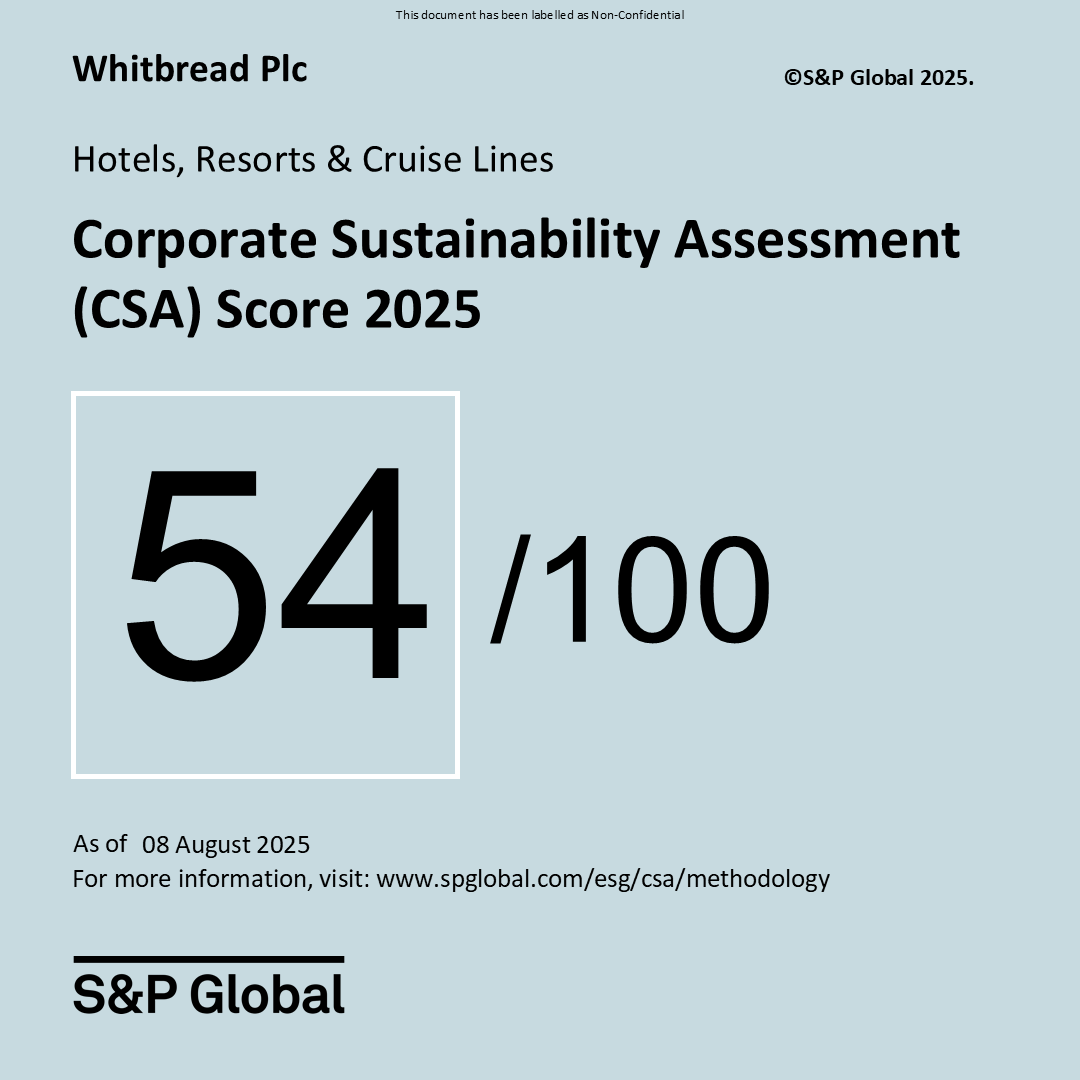
Our Force for Good programme helps Premier Inn grow responsibly.
From designing and operating more energy-efficient hotels, to creating opportunities for our team members, sustainability is embedded across our operations. This approach strengthens our resilience, builds trust with guests and creates long-term value for shareholders. The programme is framed around three pillars: responsibility (climate, water, circularity and supply chain), opportunity (our people: training, diversity and wellbeing) and community (guests, communities and culture).


ESG Disclosures
Transparency and accountability are central to our sustainability programme.
Key topics and performance
Climate change
Our actions
-
Decarbonising our hotels
We are reducing carbon emissions from our hotels by replacing gas heating with modern air-source heat pumps and increasing the number of low-carbon Premier Inn and hub hotels across our estate. By August 2026, we had 25 low-carbon1 hotels, representing around 3,000 rooms.
-
Using renewable electricity
Premier Inn hotels across the UK, Ireland and Germany are powered by electricity backed by renewable energy certificates, helping us reduce emissions from our buildings.
-
Improving energy efficiency
We are making our hotels more energy efficient through measures such as LED lighting, solar panels and smart energy management systems. Premier Inn and hub rooms also automatically switch off unnecessary electricity use when guests leave, helping to reduce energy consumption and carbon emissions.
-
Reducing emissions across our supply chain
Many of our carbon emissions come from the goods and services we buy. That’s why we work closely with suppliers to support carbon reduction and increasingly consider sustainability alongside cost, quality and service when making purchasing decisions.
- Low-carbon means a Premier Inn or hub hotel uses electricity backed by Renewable Energy Guarantees of Origin (REGOs) and does not use gas or LPG for heating, hot water or cooking.
Targets and progress
-
Absolute reduction in Scope 1 and 2 emissions
Target: Achieve a 99.6% absolute reduction in Scope 1 and 2 emissions by 2040 from a 2016/17 baseline.Progress: 48.3% reduction achieved in 2025/26.48.3%
-
Scope 1 and 2 emissions intensity
Target: Achieve an 84.1% reduction in emissions intensity per m² by 2030 from a 2016/17 baseline.Progress: 63% reduction per m² achieved in 2025/26.63%
-
Absolute reduction in Scope 3 emissions
Target: Achieve a 90% absolute reduction in Scope 3 emissions by 2050 from a 2018/19 baseline.Progress: 21% reduction achieved in 2025/26.21%
-
Scope 3 emissions intensity
Target: Achieve a 58.1% reduction in Scope 3 emissions intensity per m² by 2030 from a 2018/19 baseline.Progress: 38.1% reduction per m² achieved in 2025/26.38%
Climate change case studies
Building low-carbon hotels
£2.1 million invested in hotel decarbonisation in 2025/26, with over 200 hotels now fitted with solar panels and the most low-carbon hotels across the UK and Ireland.
Senior leadership introduction
Adapting to future-proof our business
Whitbread operates in a sector where sustainability is increasingly shaping costs, regulation and guest expectations. The Chair and CEO discuss how these forces are influencing decisions today while sharpening the business for the long term.
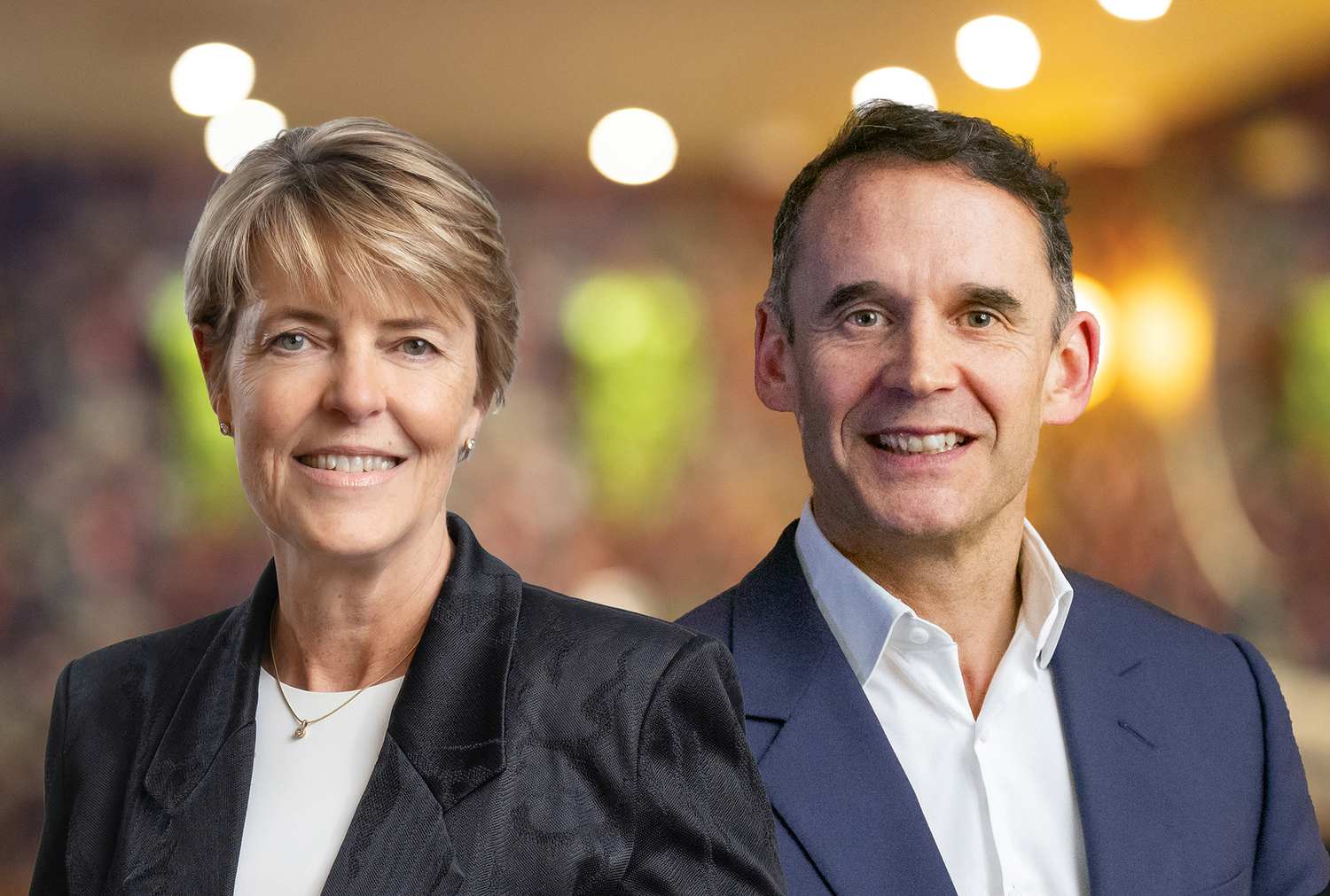
Christine Hodgson
Chair
Dominic Paul
Chief Executive
Sustainability news
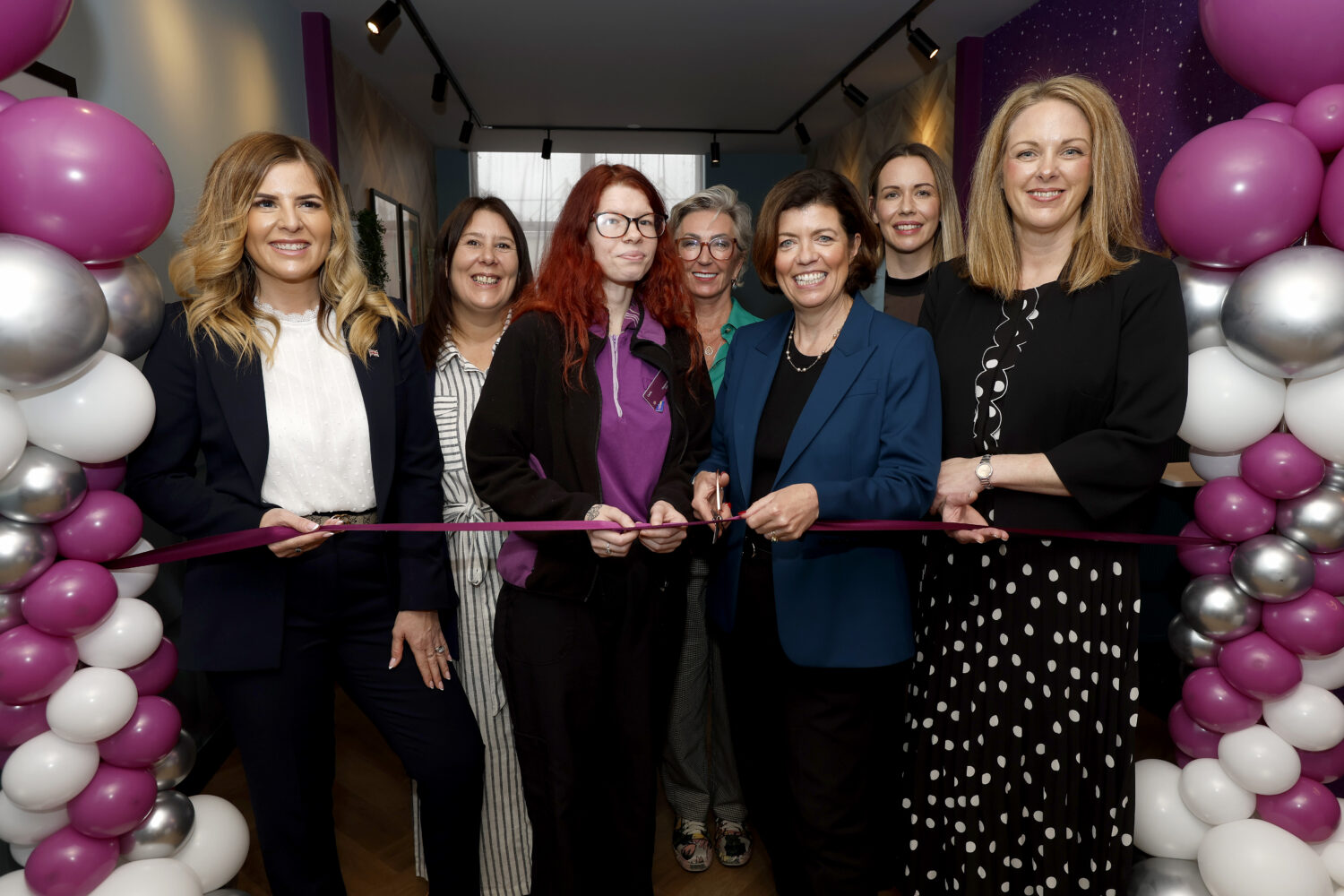
Whitbread expands Thrive programme with new Premier Inn Training Centre in Lincolnshire to tackle disability employment gap
Business-led initiative offers replicable model for inclusive employment nationwide Whitbread, the UK’s largest hospitality company and owner of Premier Inn,…
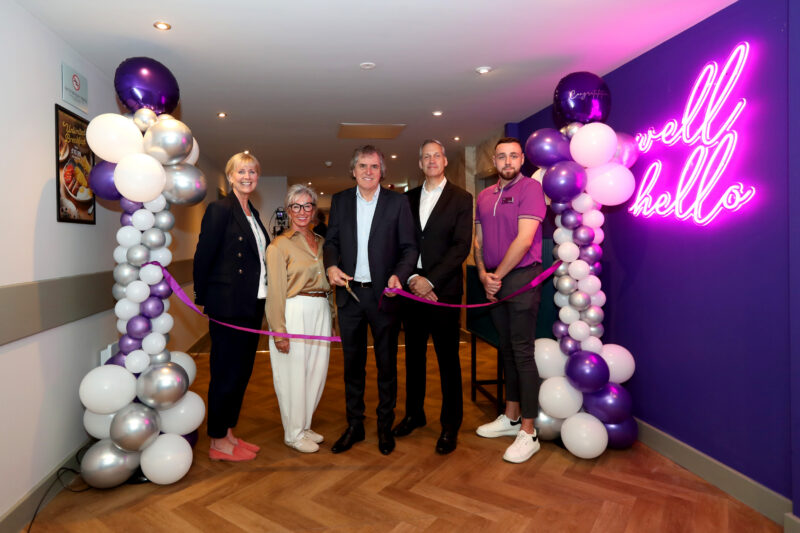
Whitbread’s Thrive programme sets national example for inclusive employment
Business-led initiative expands to Liverpool City Region, offering a blueprint for tackling disability employment gaps Whitbread, the UK’s largest hospitality…
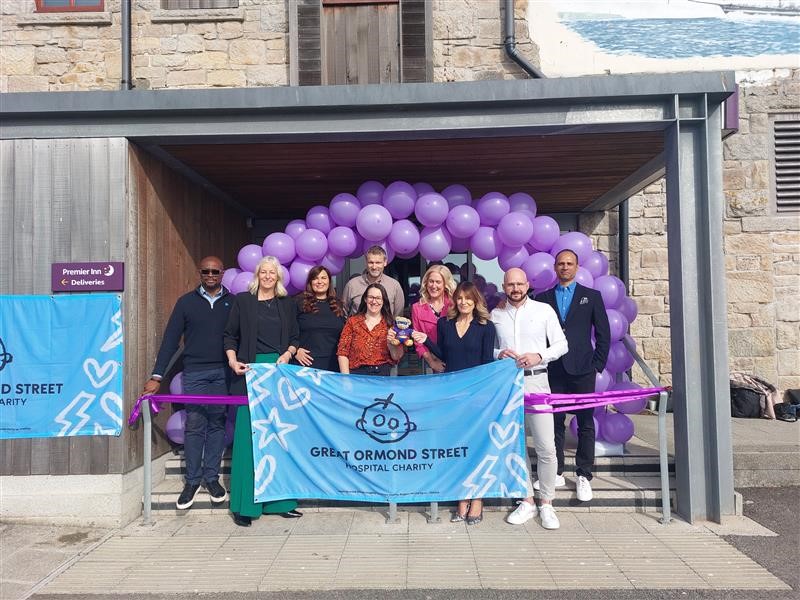
Premier Inn kicks off UK-wide fundraising efforts in Penzance
A Cornish hotel team has launched a major new fundraising initiative to help transform the lives of seriously ill children…

Whitbread publishes economic and social impact study of Premier Inn hotels
Independent research quantifies the positive economic impact of Premier Inn hotels in locations across the UK & Ireland.
2025/26 ESG scores

CDP rated B for Climate and water

ISS ESG rated B