
Brits waste 16 hours a year making beds – and scatter cushions are the main culprit
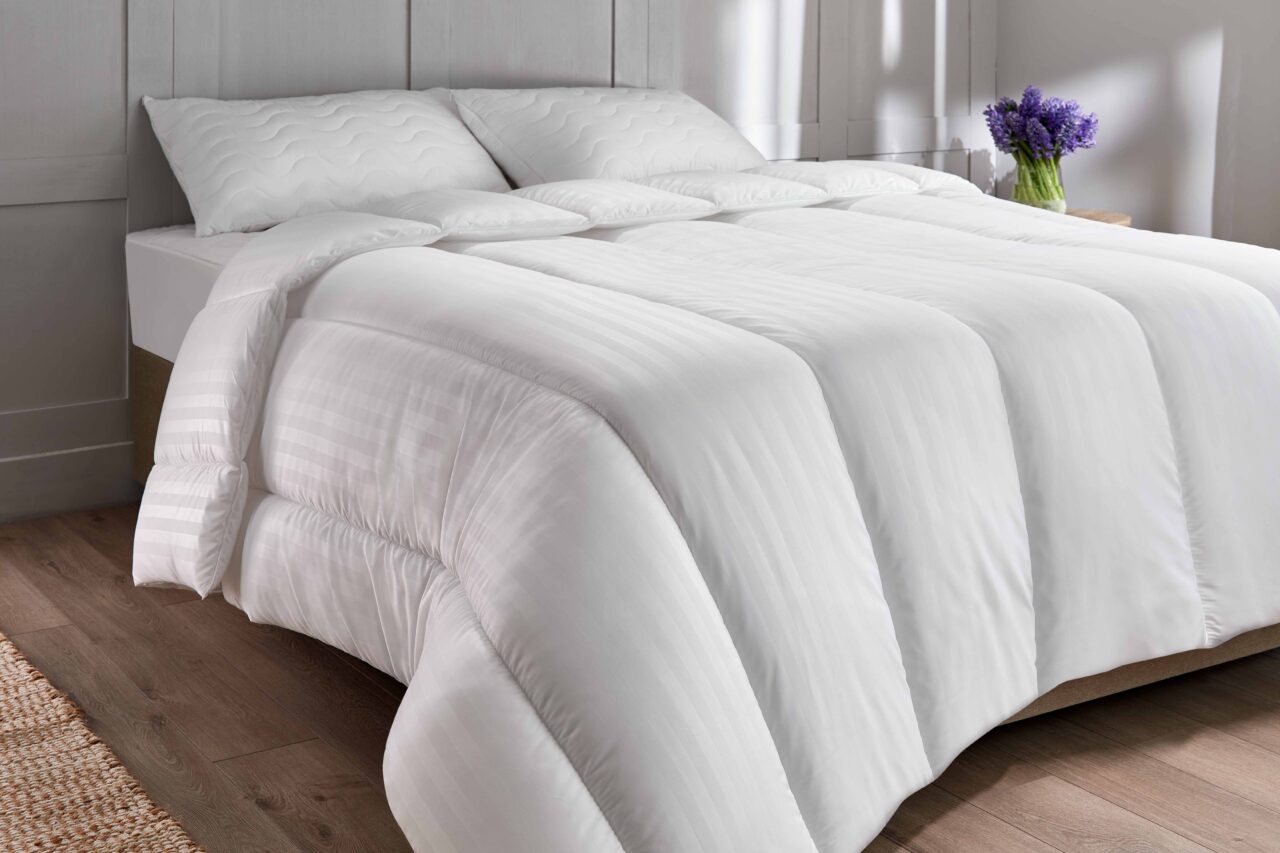
Premier Inn urges the nation to put sleep first as new research reveals ‘Scatter Syndrome’ is causing cushion chaos in UK bedrooms
London, 06 February 2026 – The great British bedroom is under siege. Not from duvet hogs or fidgeters, but from what experts are calling ‘Scatter Syndrome’ because of the divisive scatter cushion! Brits are losing more than 16 hours every year to making and unmaking their beds – the equivalent to two nights’ sleep – and for many, it’s not just wasted time, but a source of household tension.
New research from Premier Inn reveals that scatter cushions, the decorative bedroom staple, are dividing the nation. More than half of people who own scatter cushions (54%) have argued with a partner about how many should be on the bed, almost a fifth (18%) admitting disagreements on the topic regularly lead to bedroom bickers.
The latest research uncovers a striking love-hate relationship with decorative cushions. More than two-thirds of Brits (68%) have scatter cushions on their bed, with owners averaging two cushions each. While over half (52%) say they love how they look and 43% believe they make the bed feel more comfortable, some are decidedly anti-cushion. Among those who don’t own them, two-thirds (36%) say cushions take up too much space, while 30% feel they make the bedroom look cluttered.
For some households, scatter cushions are even holding bedtime hostage. One in eight owners (13%) admit they delay getting into bed because of cushions, while almost one in ten have concerns about hygiene.
The time cost is particularly striking. On average, Brits spend 1.53 minutes every morning making the bed and a further 1.16 minutes each evening getting it ready for sleep. Over the course of a year, that adds up to a staggering 16.4 hours – nearly two full working days, or two nights’ sleep – squandered on plumping, positioning and playing cushion Tetris.
Sarah Simpson, Sleep Expert at Premier Inn, says: “Your bed has one job: to give you brilliant sleep. If you’re suffering from ‘Scatter Syndrome’ – where decorative cushions are causing chaos at 10pm or making you think ‘I can’t be bothered’ when you should be tucking in – they’ve got to go. Sleep is vital for health and wellbeing, so skip the stuff that isn’t worth tossing and turning over.
“What people shouldn’t be doing is delaying bedtime because of cushions. That might sound trivial, but consistent sleep routines are absolutely crucial for quality rest. If you’re standing there thinking ‘right, now I need to remove these five cushions, put them on that chair, remember to put them back tomorrow’, you’re creating a psychological barrier between you and sleep. And when you’re exhausted, the last thing you need is an obstacle course of cushions between you and getting the rest your body needs.
“Bedtime bickering is another massive red flag. Your bedroom should be your sanctuary, not a battleground over soft furnishings. If scatter cushions are creating conflict, they’re actively sabotaging your sleep hygiene. And frankly, no cushion – no matter how Instagrammable – is worth losing sleep over.
“At Premier Inn, we’re obsessed with what actually matters for proper rest: a supremely comfortable bed, the right pillow for how you sleep, and a calm space that helps you drift off easily. Sometimes the best bedroom design decision is knowing what not to have. Less scatter, more sleep – that’s our advice.”
To help the nation reclaim those lost hours, Premier Inn is reminding guests that a great night’s sleep doesn’t need bells, whistles or a bed full of cushions. Every Premier Inn room has been purposefully designed with rest in mind, from a comfortable mattress, black out curtains and a choice of soft or firm pillows to a calm, clutter-free space engineered for quality sleep – no ‘Scatter Syndrome’ in sight.
ENDS


