
Adapting to future-proof our business
Whitbread operates in a sector where sustainability is increasingly shaping costs, regulation and guest expectations. The Chair and CEO discuss how these forces are influencing decisions today while sharpening the business for the long term.
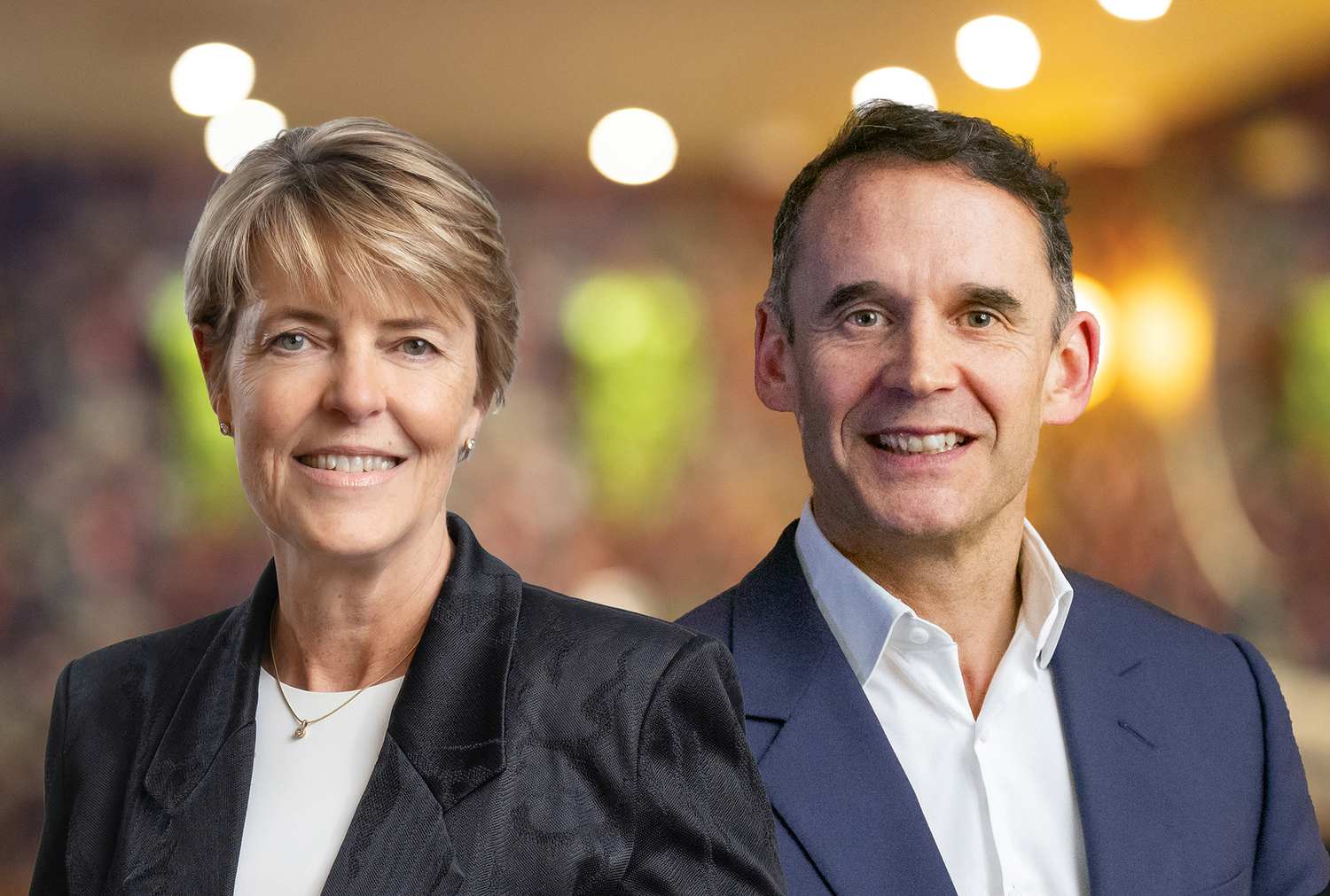
Christine Hodgson
Chair
Dominic Paul
Chief Executive
Which sustainability-related risks have materialised for Whitbread?
“Customer expectations on sustainability are evolving, particularly those of our business customers, and we are responding by sharing more environmental data with travel management companies (and directly with our leisure guests) to help our customers make an informed choice. Efficiency measures and the electrification of our hotels help to improve the carbon-per-stay measure tracked by some business guests. Regulation is tightening in both the UK and EU, so we continue to progress with our energy transition plan and are spending more time on supply chain due diligence.”
Christine Hodgson
“We are seeing climate-related impacts in day-to-day operations. Hotter summers mean we are spending more on air conditioning to keep guests comfortable and the price of food commodities is going up, while milder winters take some pressure off margins as we use less energy for heating. Our food waste reduction programme also helps to lessen the impact of cost price increases. From a people perspective, we’re seeing labour costs rise across the sector, making productivity and retention even more important.”
Dominic Paul
How can Whitbread protect its profit while ensuring long-term value creation?
“We focus on what shields profit today and builds resilience for tomorrow. That means prioritising actions that pay back quickly – cutting energy and water use and reducing food waste. We are also aligning climate transition investment with our Accelerating Growth Plan so we only disrupt each site once. We do the AGP works and the switch from a gas boiler to an air-source heat pump at the same time, rather than coming back later. The economics of air-source heat pumps has already closed the gap with gas and may tilt further if electricity becomes cheaper than gas. Our vertically integrated model is a strategic advantage: operational control gives us speed and lets us choose how and when to decarbonise a site.”
Dominic Paul
In June, we will publish our Transition Plan, setting out how the business will operate in a changing climate and a low carbon economy. The whole industry is moving in the right direction, because more leisure guests want to travel sustainably, while business travellers are watching their carbon footprint. Investing in our teams, supply chains and estate makes perfect commercial sense. It strengthens resilience and keeps us in line with changing guest expectations.”
Christine Hodgson
How will Premier Inn look as a sustainable hotel?
“The same fantastic guest experience, with lower running costs and lower impact. Expect buildings designed to stay cool in summer through better shading, ventilation and smarter controls. Behind the scenes, our ways of working will continue to evolve: optimised sourcing for food, fittings and construction materials, and ever stronger labour protections both in our operations and across our value chains.”
Dominic Paul
“Materials are shifting towards carbon efficiency and circularity; low-carbon concrete alternatives, engineered timber where suitable, recycled metals and design for disassembly to cut refurbishment waste. The hotel of the future should also contribute to the places it depends on, not extract from them. As the UK’s largest hospitality business, and growing in Germany and Ireland, we understand this responsibility. If Premier Inn can do this at scale, the rest of the industry will follow.”
Christine Hodgson